

Monsoon brings welcome relief from the heat, but the humidity and constant rain tend to bring their own set of hair and scalp troubles. Noticing more hair fall, dandruff, an oily scalp, or itchiness this time of year? You're genuinely not alone in that. A few adjustments to your hair care routine usually go a long way here. For anyone dealing with hair loss that just won't let up, Hair Transplant treatment in Ahmedabad is worth discussing with a qualified specialist, though only after a proper consultation, not as a first resort.
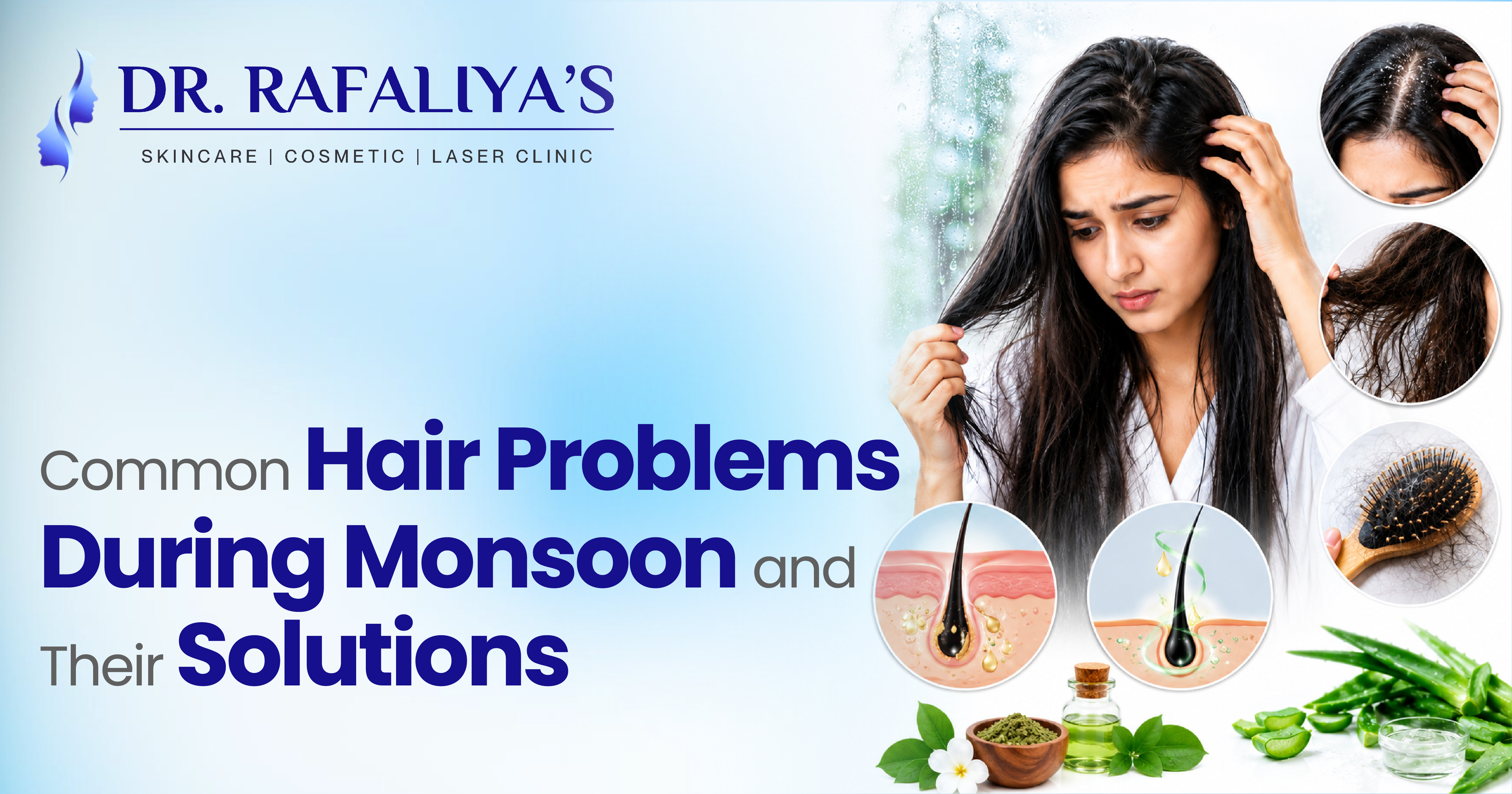
Why Does Hair Become Difficult to Manage During Monsoon?
Moisture in the air makes the scalp sweatier and oilier than usual, and rainwater, pollution, and general dirt tend to linger on the scalp longer than they would in drier months. All of that creates fairly ideal conditions for dandruff, fungal growth, and scalp irritation to take hold.
The reassuring part is that most of these monsoon-specific issues respond well to the right care.
1. Excessive Hair Fall
Many people notice more shedding once the rains start, and it's rarely just one thing driving it, humidity, scalp buildup, dandruff, stress, poor nutrition, and existing hair conditions can all feed into the problem at once.
Regular scalp washing helps clear sweat and buildup before it accumulates, and a gentle shampoo suited to your scalp type makes a real difference here. Brushing wet hair is worth avoiding too, since it stretches more easily in that state and breaks.
If the shedding drags on for months, or you're noticing visible thinning, it's worth not assuming weather's the whole story. A dermatologist can actually pin down what's really going on.
2. Dandruff and Flaky Scalp
Dandruff tends to get more noticeable once humidity climbs, excess oil, sweat, and fungal overgrowth all play a part in the flaking and itching that follows.
Keeping the scalp clean and properly dry helps a lot here, washing after heavy sweating and not leaving wet hair wrapped up for long stretches both matter. An anti-dandruff shampoo picked to suit your specific scalp condition can also help, though scratching the scalp is worth resisting, since it tends to cause irritation and small skin injuries that make things worse rather than better.
3. Oily Scalp: When Hair Gets Greasy Too Quickly
Hair looking oily just a day after washing it? Humidity ramps up sweating, and that tends to leave the scalp feeling greasier than usual pretty quickly.
Washing based on what your scalp actually needs, rather than sticking to a fixed schedule, tends to work better here. Heavy oils applied directly to an already oily scalp don't help either, and it's worth cleaning combs, brushes, and pillow covers on a regular basis too, since they hold onto oil and buildup longer than people expect. Overdoing styling products can add to that buildup as well, making the scalp feel oilier than it actually is.
4. Fungal Scalp Infections
Constant moisture creates exactly the kind of environment fungal infections tend to thrive in. Persistent itching, redness, unusual scaling, soreness, or patches of hair loss are all worth taking seriously rather than brushing off.
Keeping the scalp dry, not sharing combs or towels, and steering clear of someone else's medicated products all help reduce the risk here. If symptoms stick around though, medical advice is really the next step, since treatment depends heavily on the specific type and severity of infection involved.
5. Hair Breakage
Hair left wet for extended periods tends to become fragile, and tight hairstyles, frequent heat styling, or rough combing on top of that make breakage noticeably worse.
Letting hair dry before tying it up tightly makes a real difference, and a wide-toothed comb, starting from the ends rather than the roots, tends to be gentler during detangling. Cutting back on unnecessary heat styling and avoiding hairstyles that pull on the roots both help protect the strands over time too.
A Simple Monsoon Hair Care Routine
| Problem | What You Can Do |
|---|---|
| Hair fall | Check the underlying cause and maintain a balanced diet |
| Dandruff | Keep the scalp clean and use suitable anti-dandruff care |
| Oily scalp | Wash according to scalp needs and avoid heavy products |
| Frizz | Condition regularly and reduce heat exposure |
| Itchy scalp | Keep the scalp dry and seek advice if persistent |
| Hair breakage | Avoid tight hairstyles and rough combing |
Healthy Hair Starts With the Right Routine
Monsoon hair troubles are common enough, but they don't have to become a constant battle every year. Keeping the scalp clean and dry, handling hair gently, eating a genuinely balanced diet, and dealing with dandruff early tend to make a real, noticeable difference.
Depending on the actual cause and your specific hair condition, options including medical treatment at Dr Rafaliya’s clinic can be the best option. You can also call 82001 42152 to book your appointment.
